
RedorGreen
The legislature voted it the official state question, so now a waiter is obliged to ask you. Christmas means both, in two pools, on the same plate.
Behind it: forty pounds of green chile turning in a propane drum. From late August the roasters go up outside groceries and hardware stores and the town smells of it for a month.
Photo: E. Presso / Pexels
The Roast
The whole town smells like it for a month
You buy a sack, it is roasted and bagged hot in front of you, and it goes home to be peeled and frozen for the year. What happens inside the drum.
A roasting run takes a few minutes a sack. The bags are tied hot so the steam lifts the skins on the way home.

Blistering the skin is the whole operation; the flesh is not meant to cook. Everything after it — the bag, the freezer, the year of green chile — follows from that one minute over the flame.
Photo: Thomas Chauke. / Pexels
Where the sacks come from: the Rio Grande flood plain at Hatch.
Photo: Wikimedia Commons
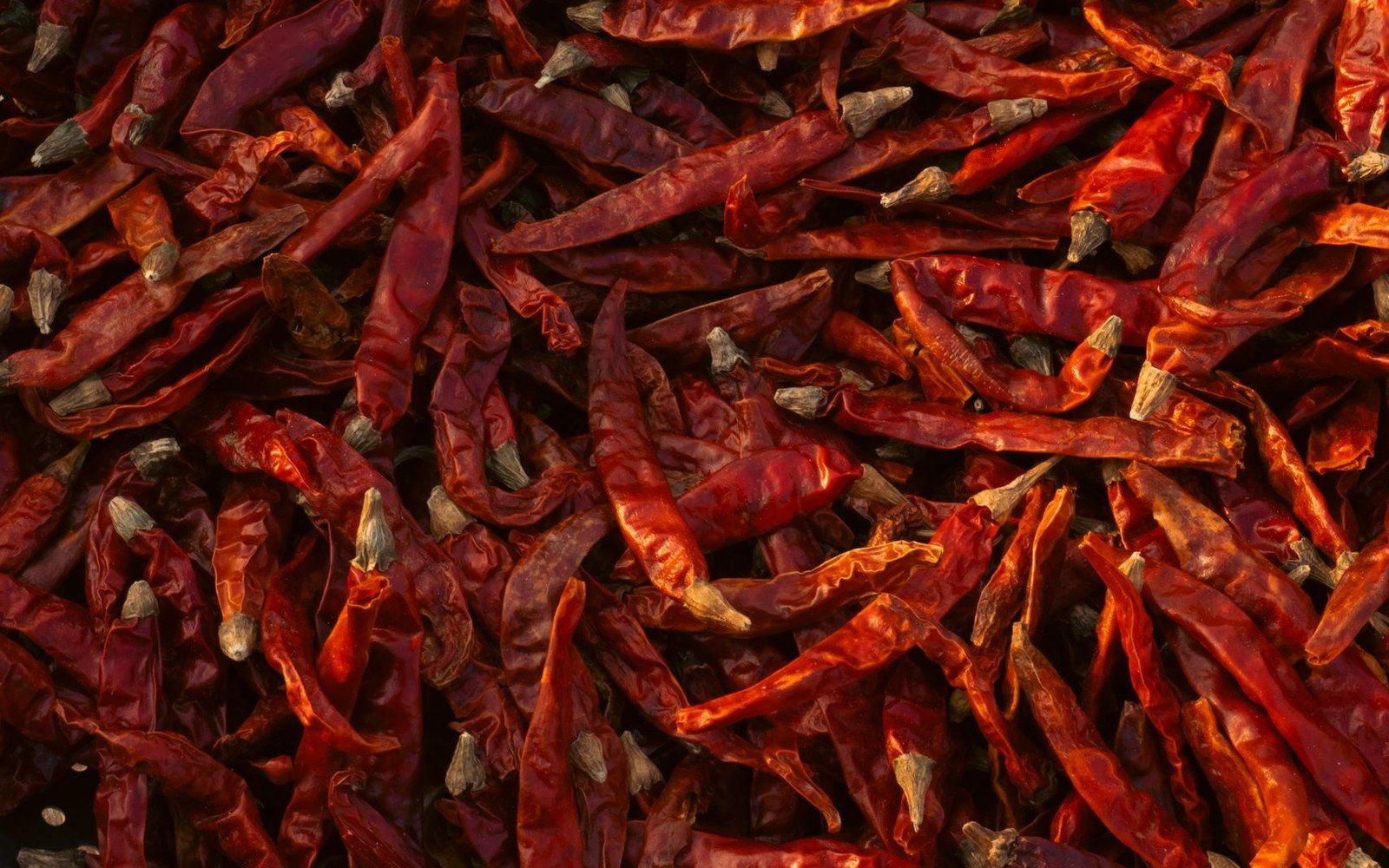
What happens to the pods nobody roasts — left to colour on the plant, then dried.
Photo: HRIDYAKSH GEJWAL / Pexels
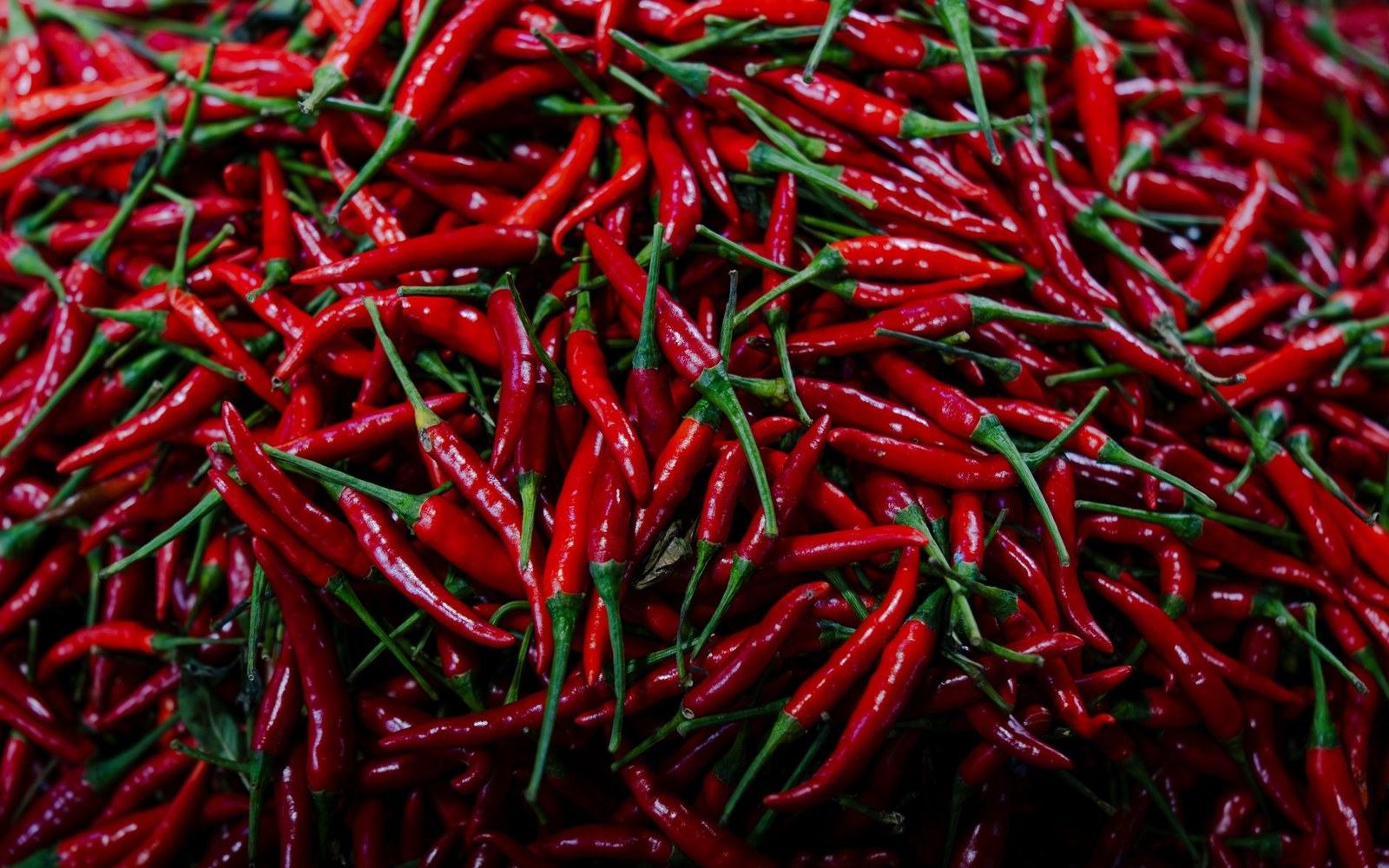
A pod long enough to stuff is a pod that was bred for a dish.
Photo: Elizabeth Celestino / Pexels
Chile
Green and red are the same plant, caught at two moments
Green is picked firm and roasted so the skin comes away. Red is left on the plant to colour, then tied into a ristra, dried on a wall, and ground. The state question is a question about ripeness before it is a question about taste.
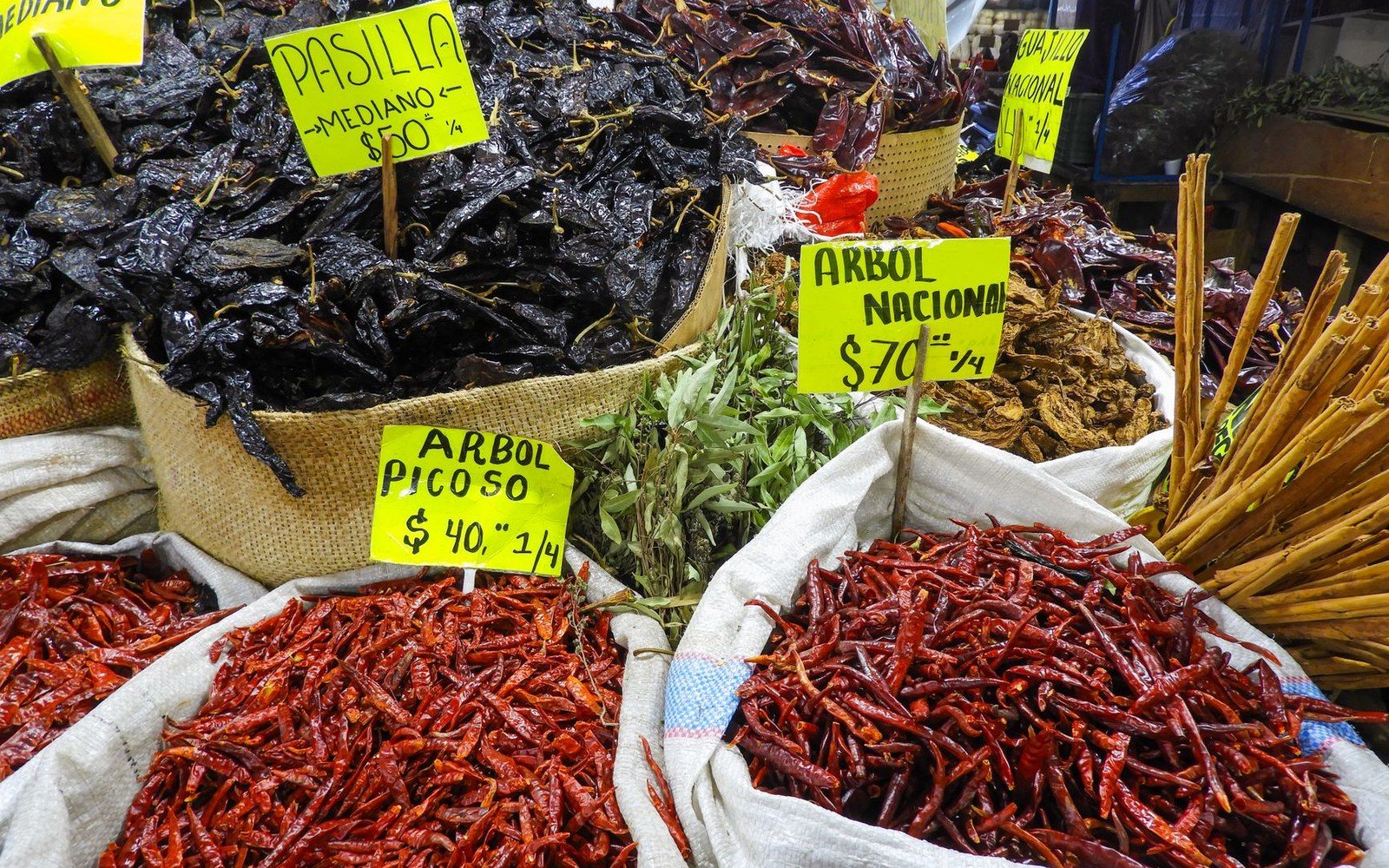
The wall is doing a job: dry air, full sun, and no rain to speak of.
Photo: Ericka Sánchez / Pexels
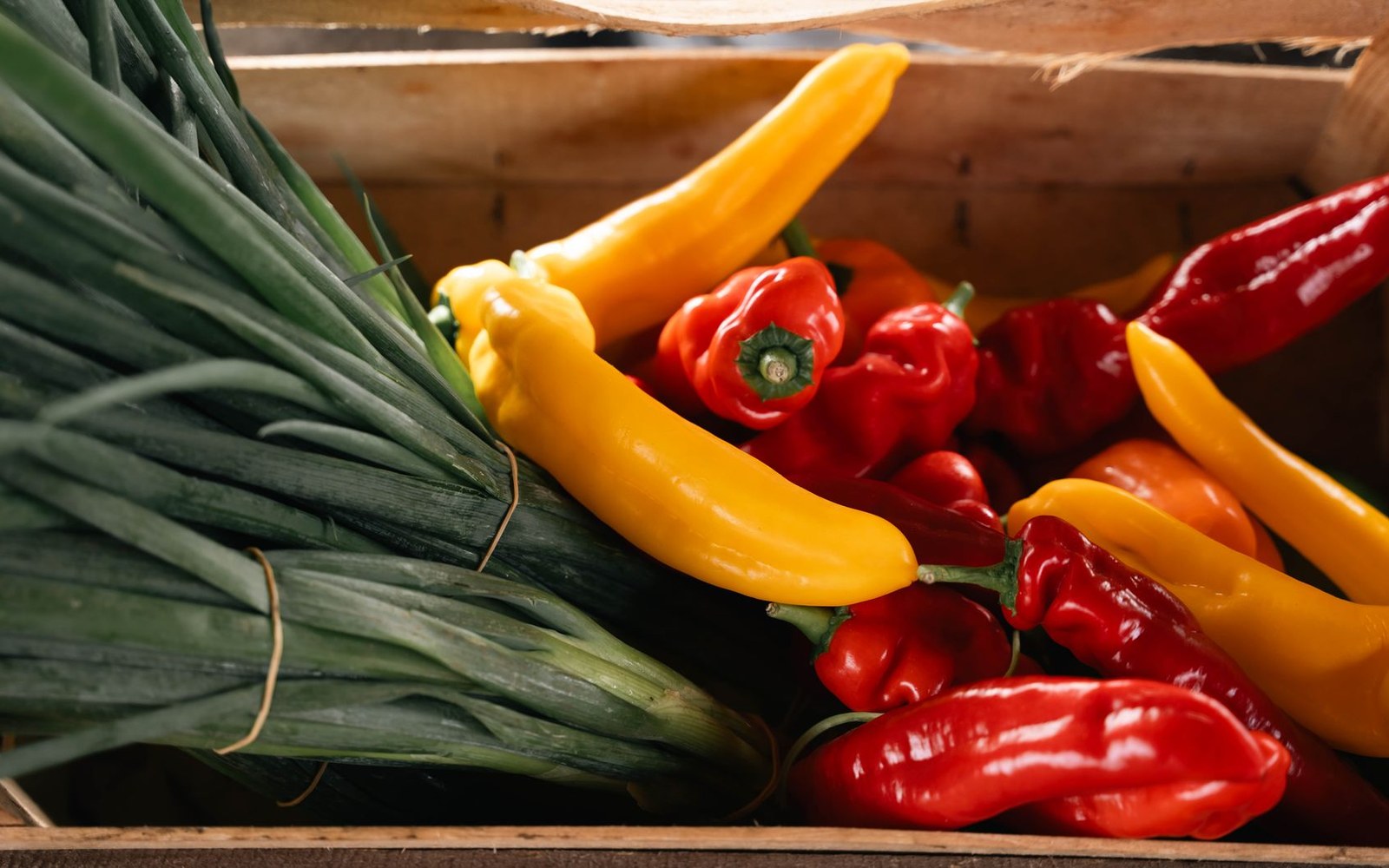
Chimayó at picking. The plots are small and the seed does not leave the valley willingly.
Photo: Viridiana Rivera / Pexels
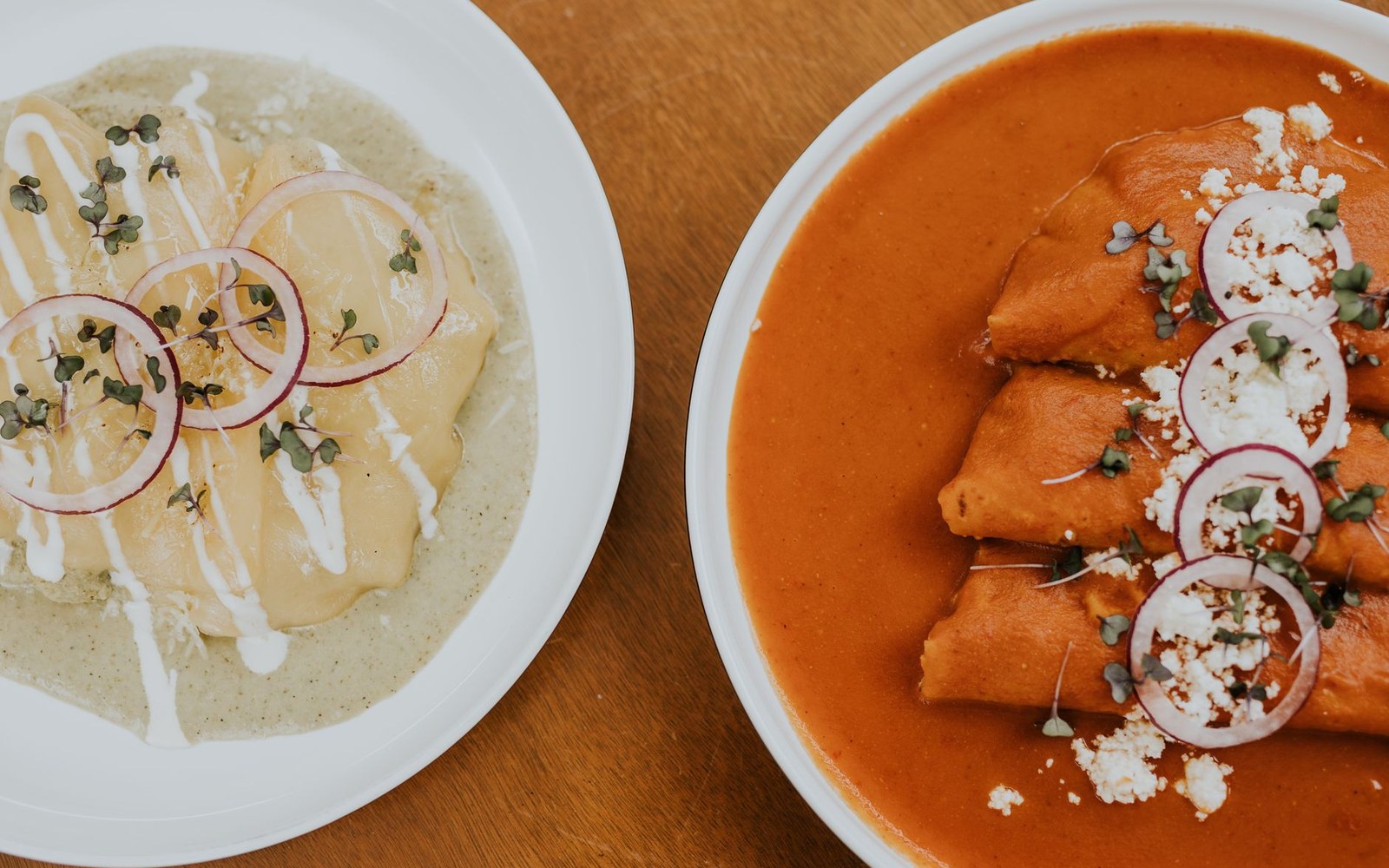
Christmas: both sauces, kept in separate pools on the same plate.
Photo: Amar Preciado / Pexels
Hatch
On the Rio Grande in Doña Ana County. The volume name, the one on the supermarket sack, and the reason a whole village runs a festival each Labor Day weekend. Why the ground changes the pod.
Chimayó
A landrace in Rio Arriba County: seed kept in the same valley for generations, grown by the row rather than the acre. Hotter, thinner-walled, sold out most years. The heirloom that stayed.
Christmas
The third answer, and not a joke you are making. Both sauces arrive in separate pools; mixing them is the one thing nobody does. What the legislature actually passed.
Trails
Six dates that put the food where it is
The first Spanish caravans come north up the Camino Real de Tierra Adentro with wheat, pork and livestock.
Camino Real opens →Santa Fe is founded as the colonial capital; the Palace of the Governors goes up on the Plaza.
The city →The Santa Fe Trail opens from Missouri and ends at the Plaza. Wheat flour arrives by wagon.
Flour arrives →Fabián García releases New Mexico No. 9, the first chile bred to a standard.
The pod is fixed →Roy Nakayama releases NuMex Big Jim, developed with the grower Jim Lytle.
Big Jim →The state question is adopted by the legislature. Seven years earlier it had voted on the state cookie.
Red or green? →
Four centuries, left to right. Scroll the rail on a narrow screen.

Under the portal on the north side of the Plaza, in front of the Palace of the Governors, where the vendors' programme still allocates the ground by the running foot. Four centuries of market.
Photo: Wikimedia Commons
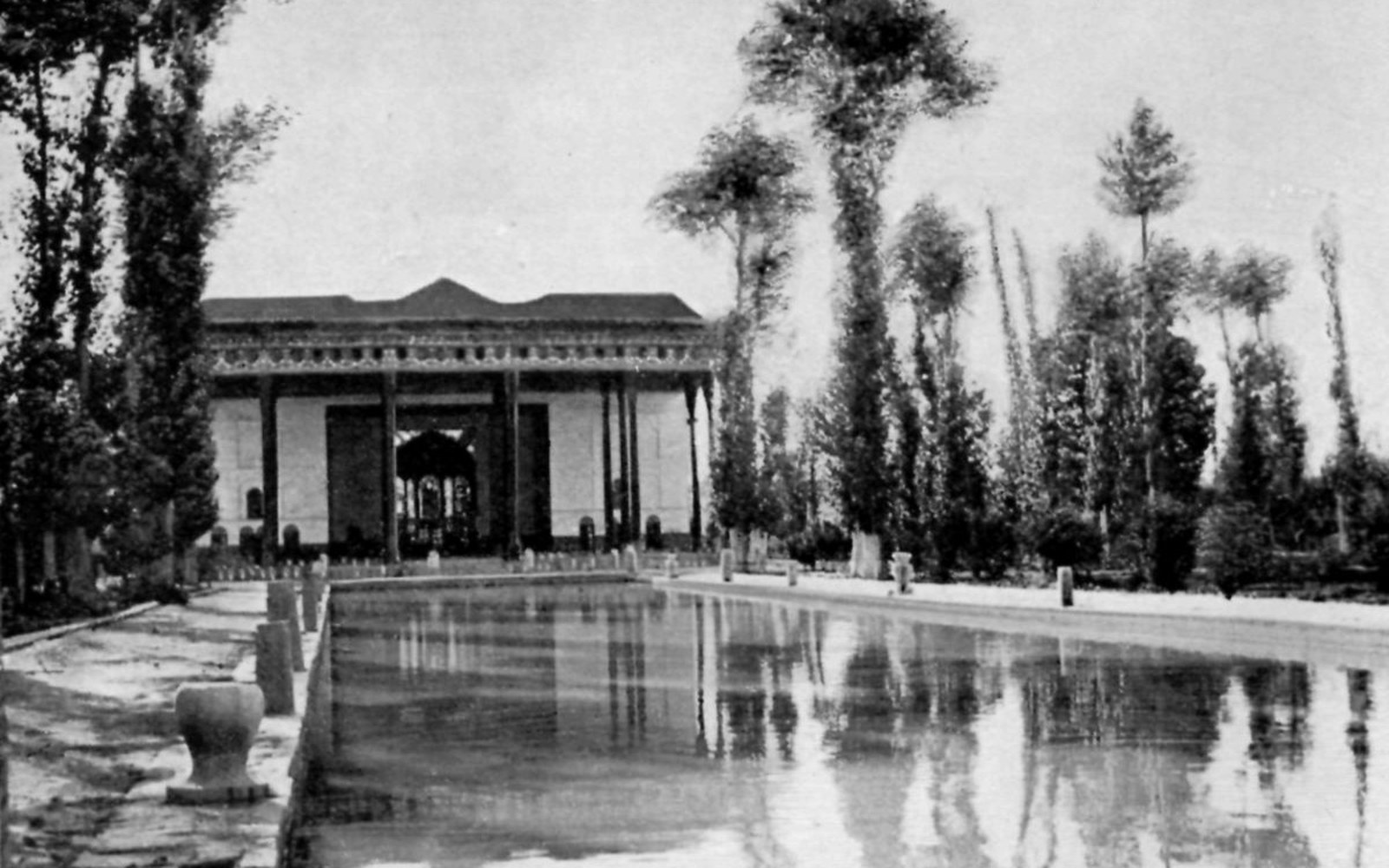
The colonnade the vendors work under, allocated by the running foot.
Photo: Wikimedia Commons
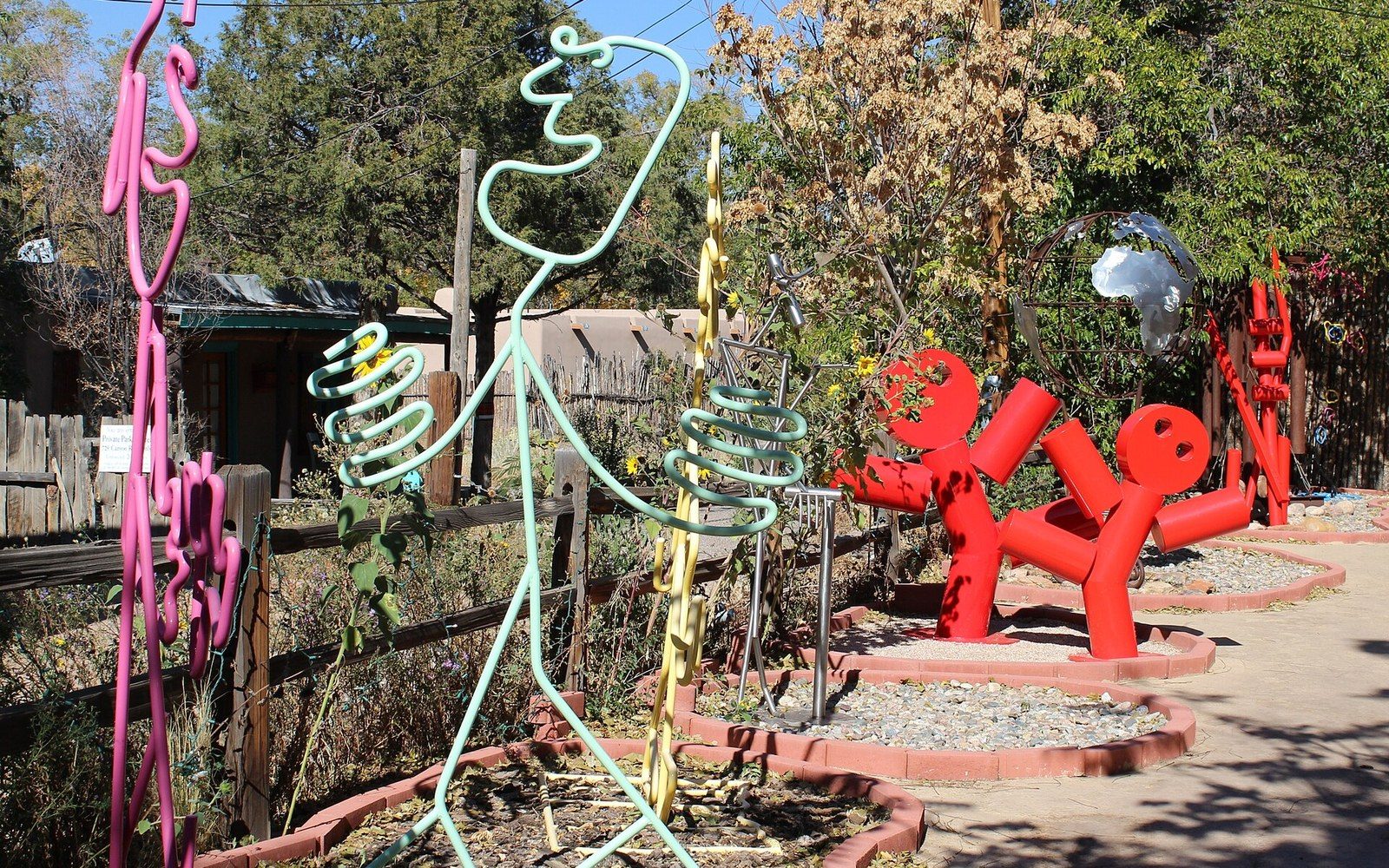
Canyon Road, an acequia and an access route long before it was a gallery street.
Photo: Wikimedia Commons
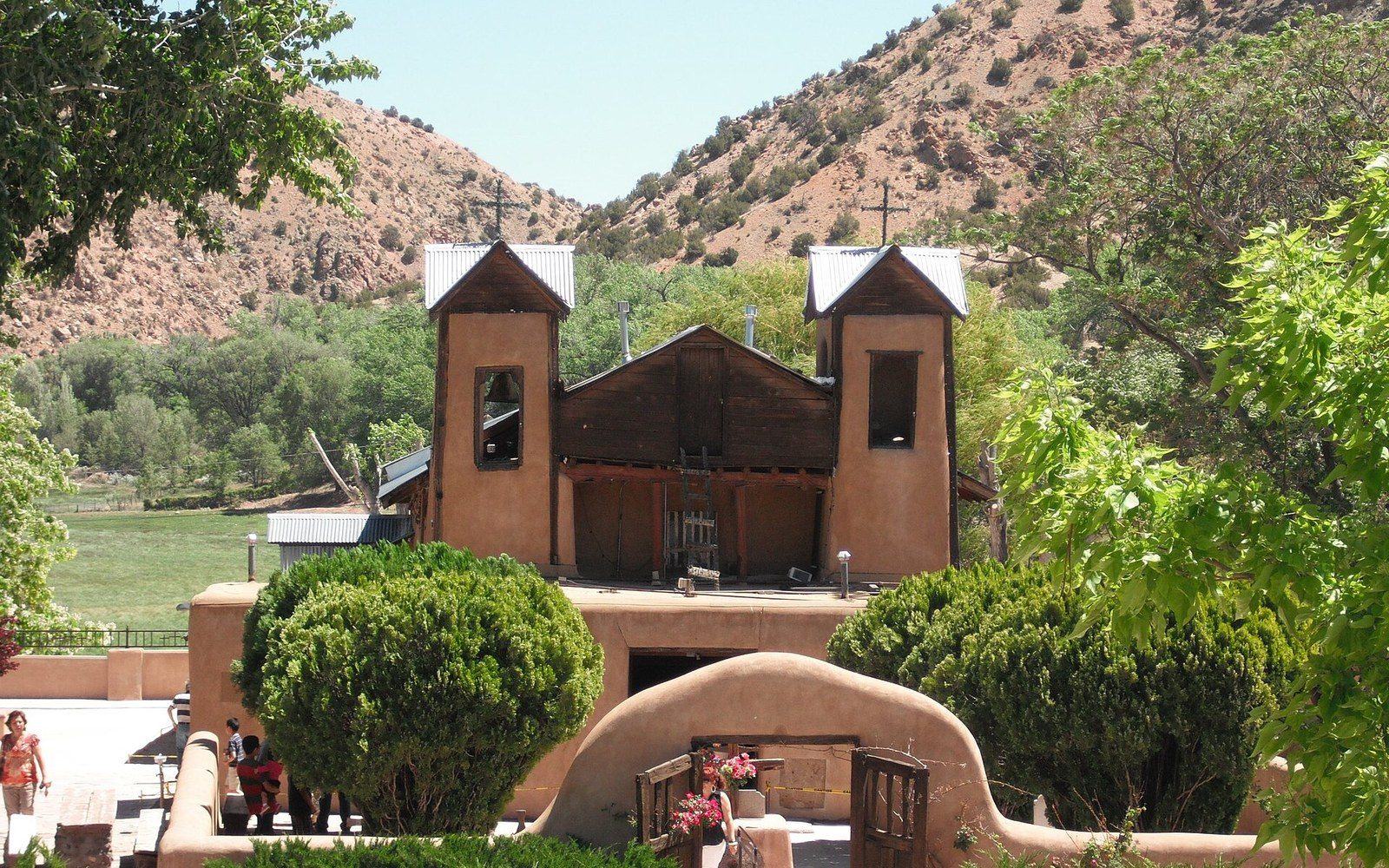
The Santuario, completed in 1816, a mile from the plots that carry the valley’s name.
Photo: Wikimedia Commons
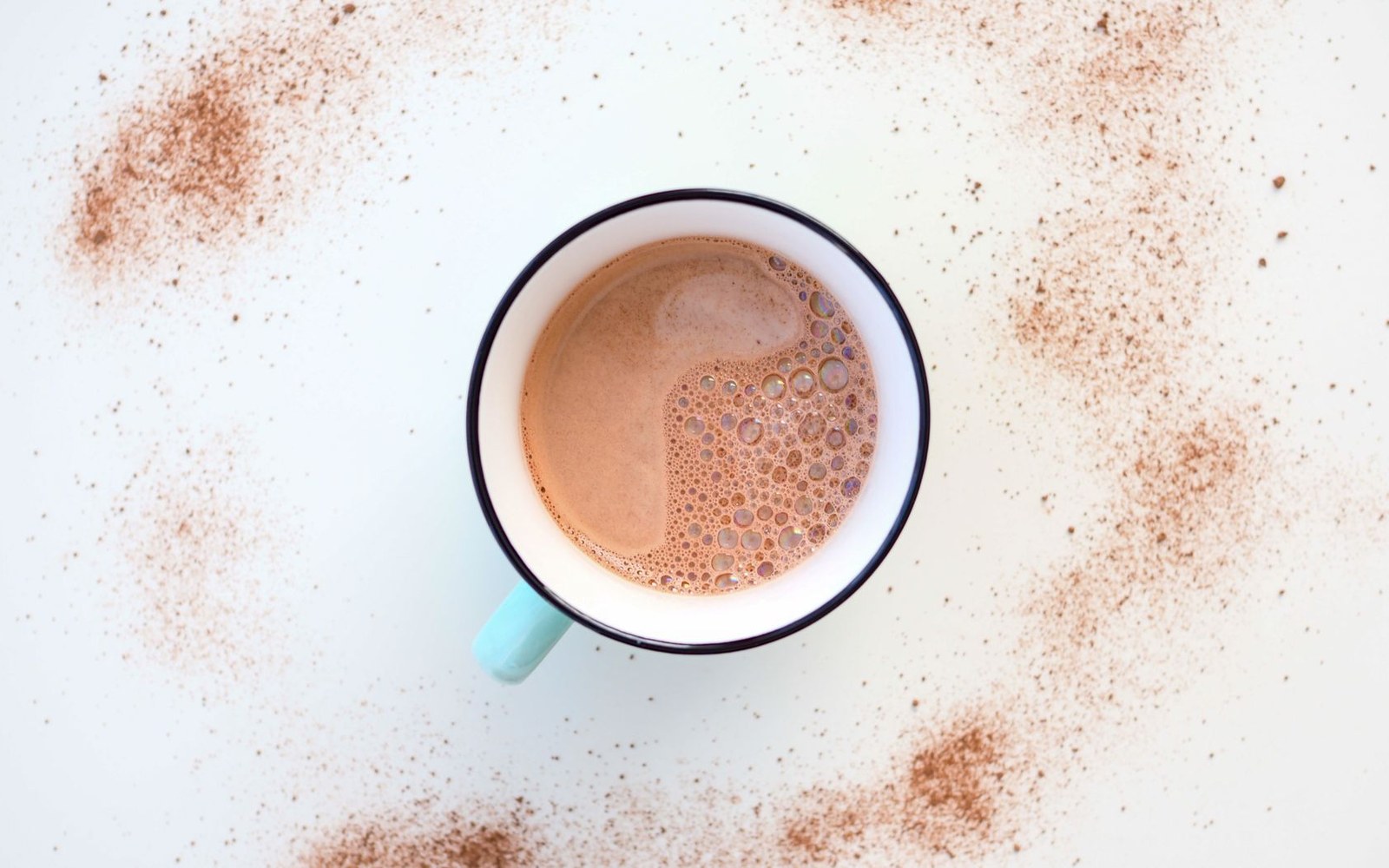
Drinking chocolate rebuilt from documented colonial formulations.
Photo: Mateusz Feliksik / Pexels
Dishes
Stacked, not rolled, and eight other rules
A dish here is a rule about how something is assembled. The arguments are about form, not flavour: flat or rolled, in the bag or on the plate, red or green.
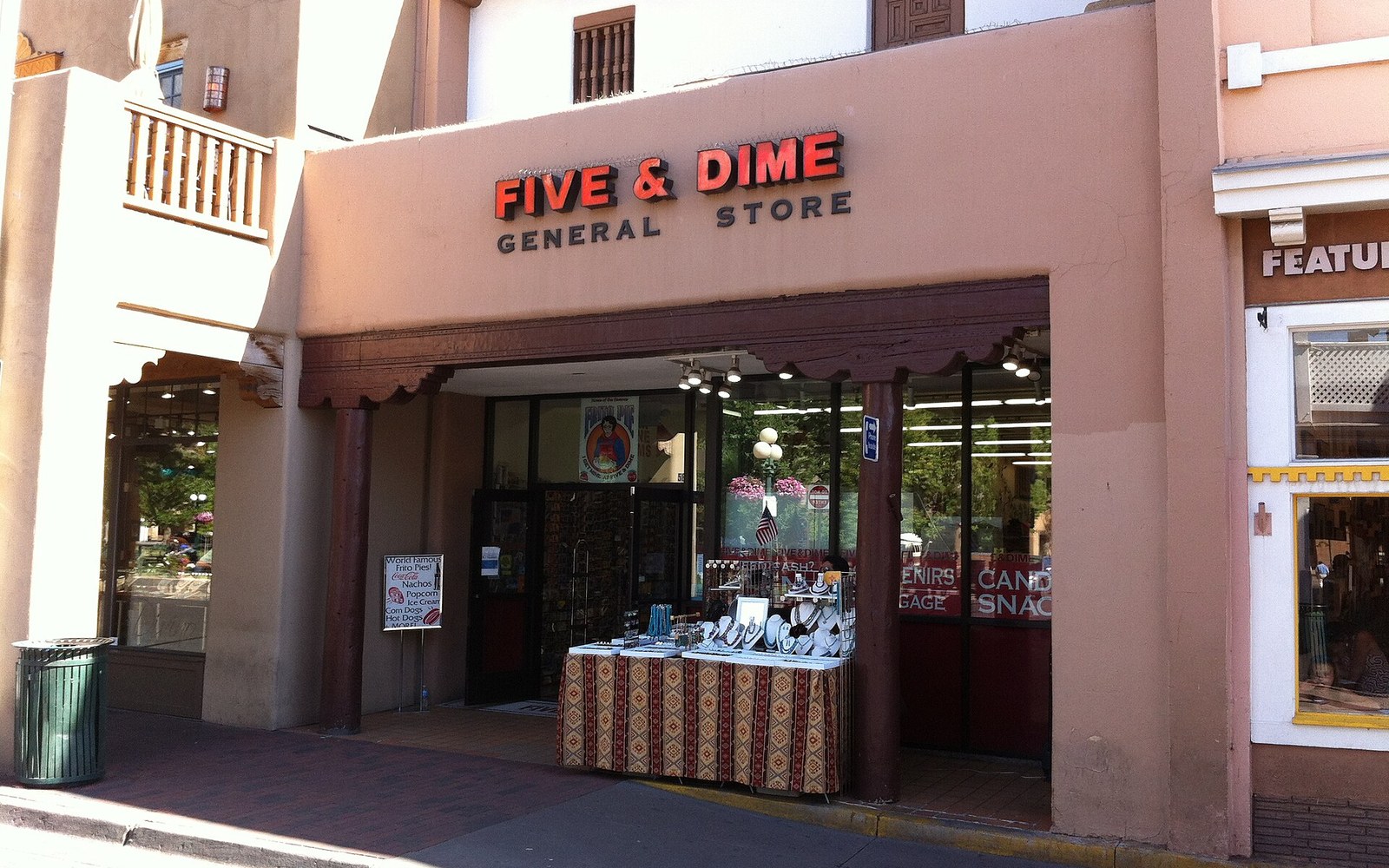
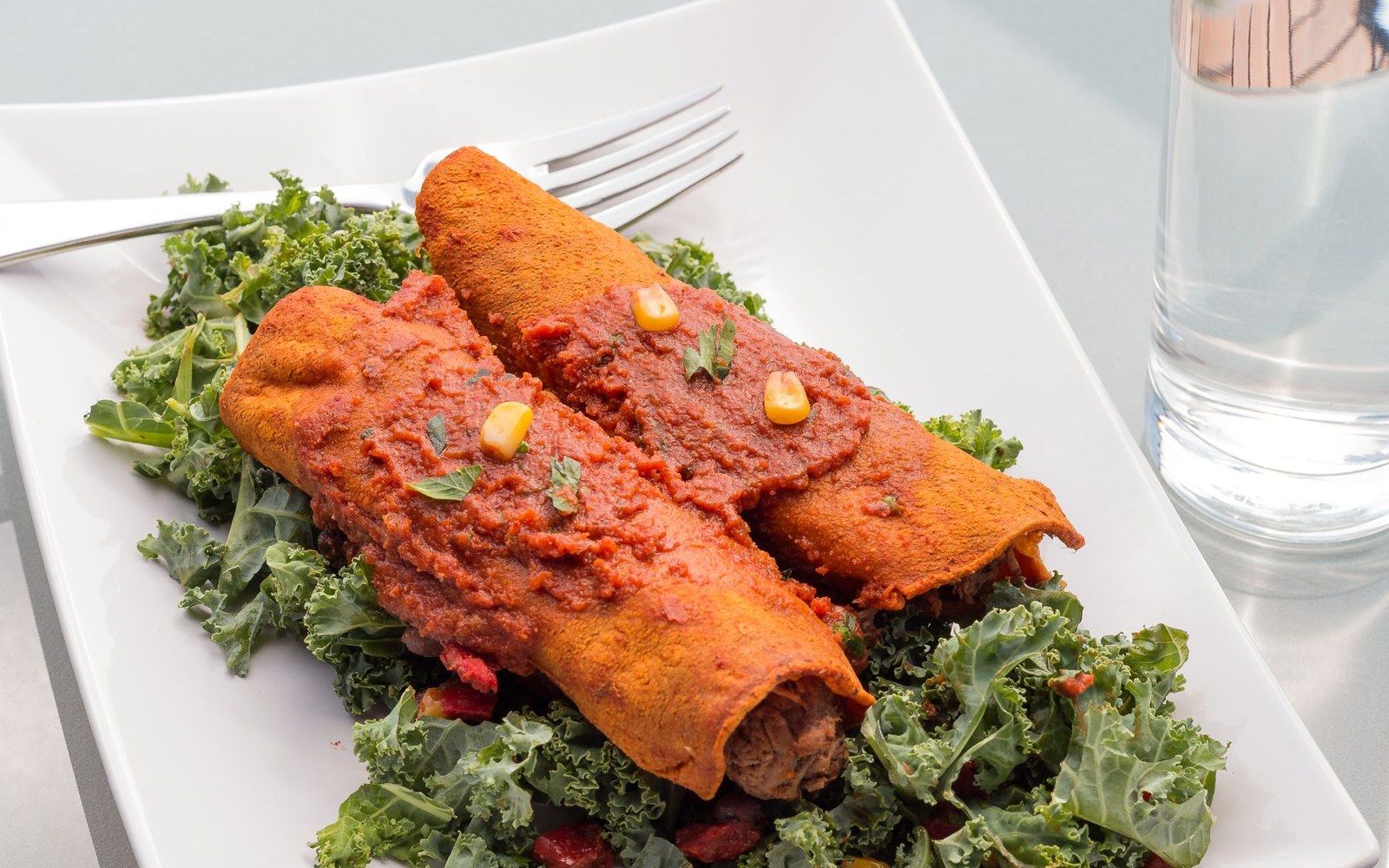
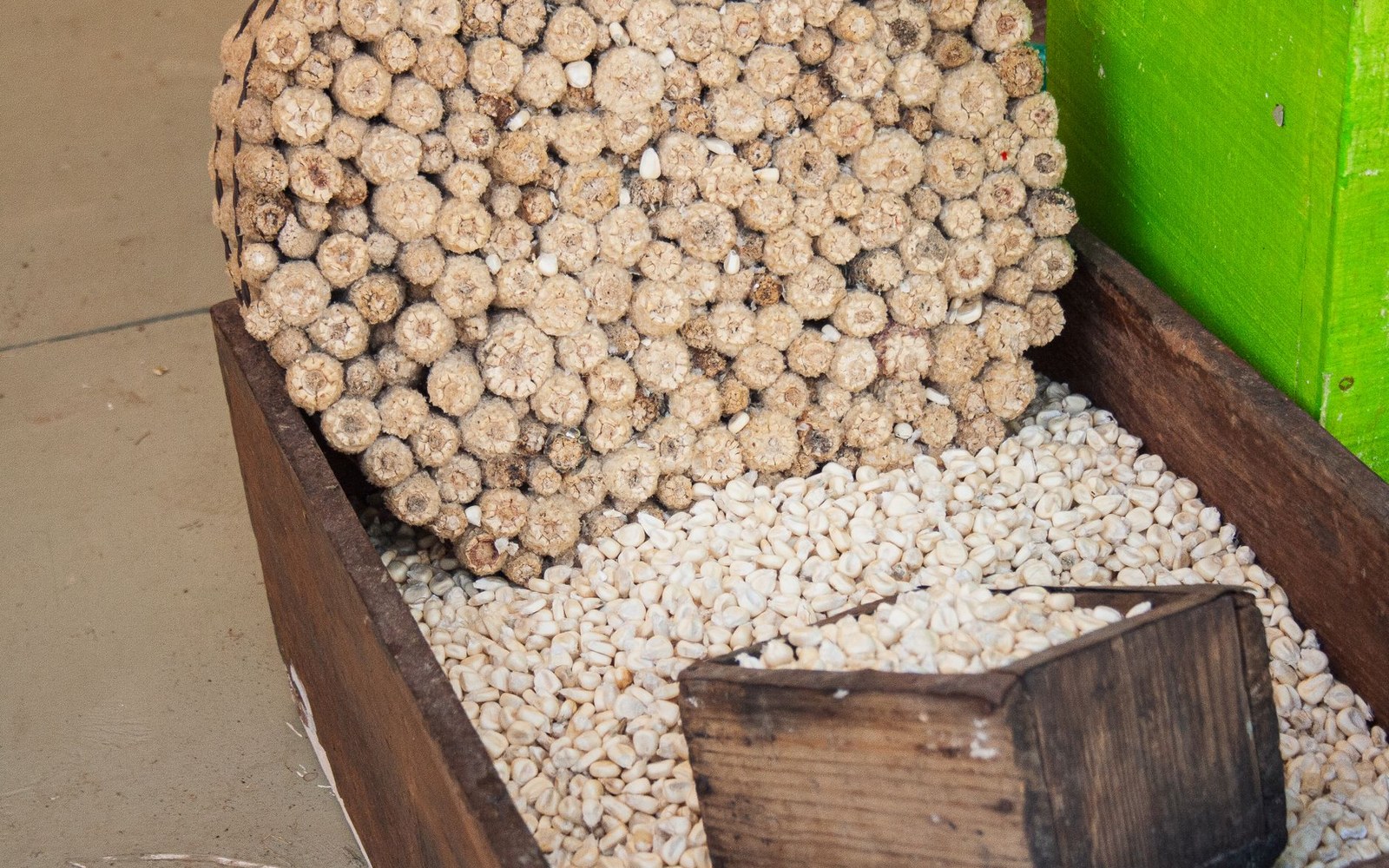
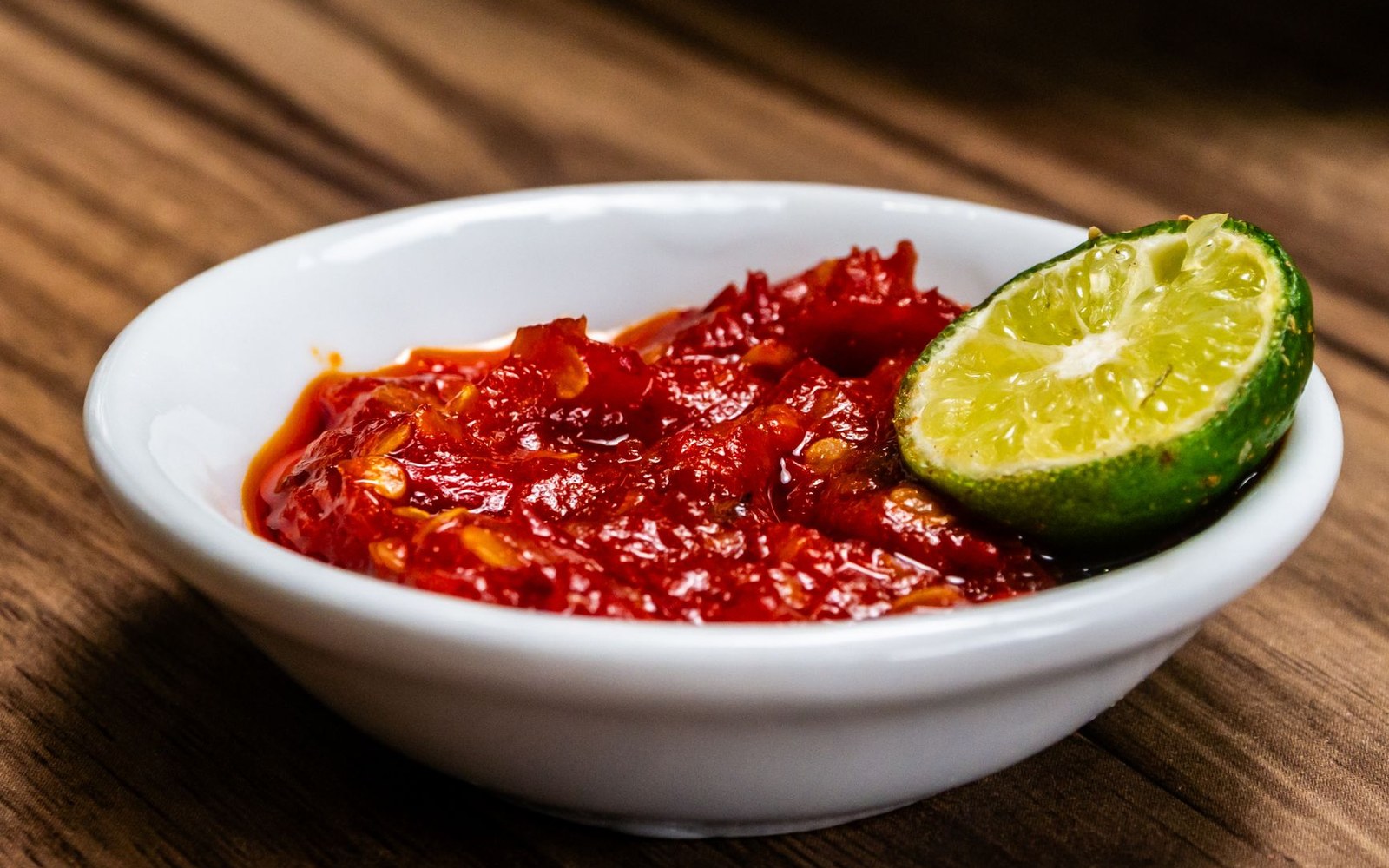
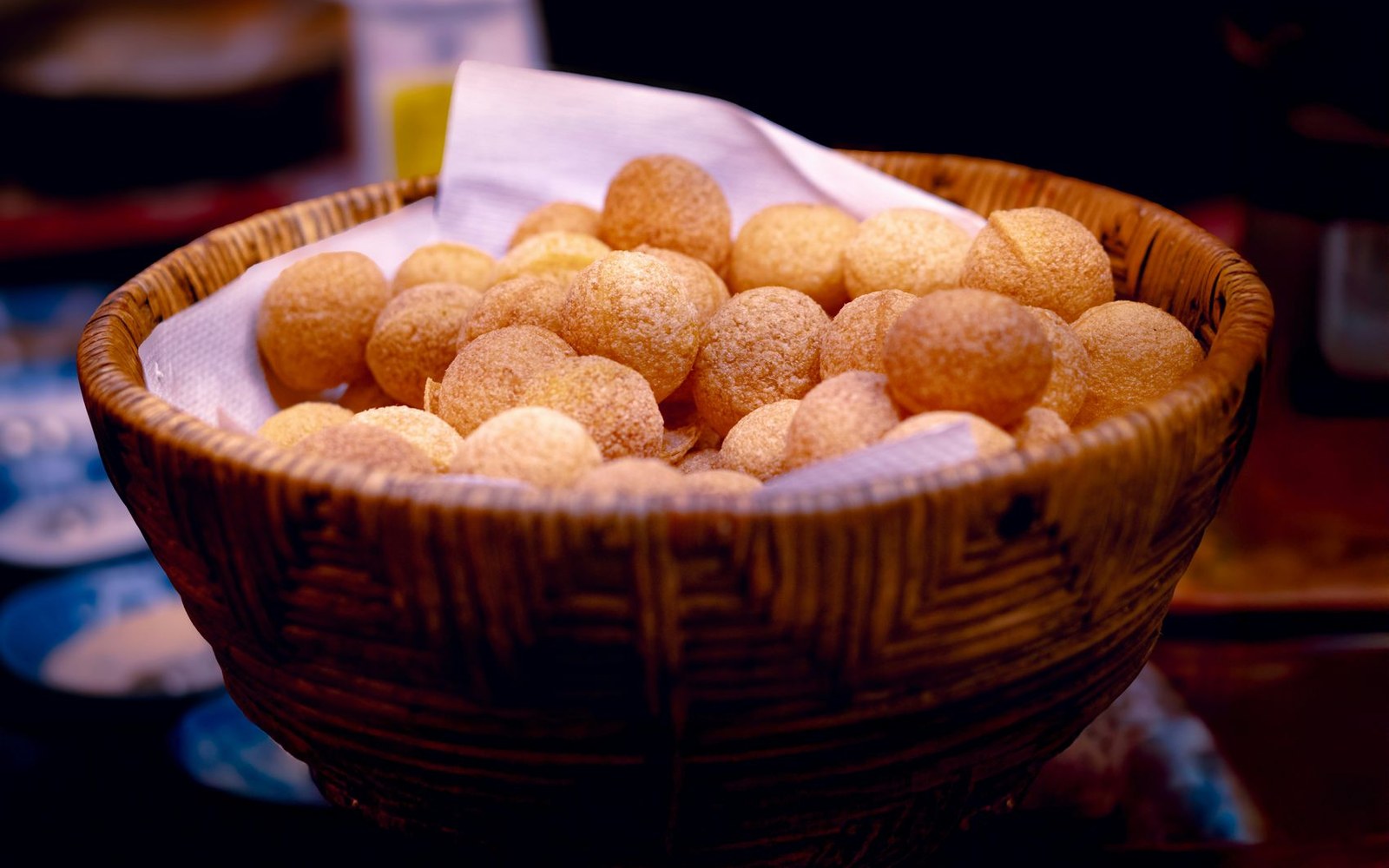
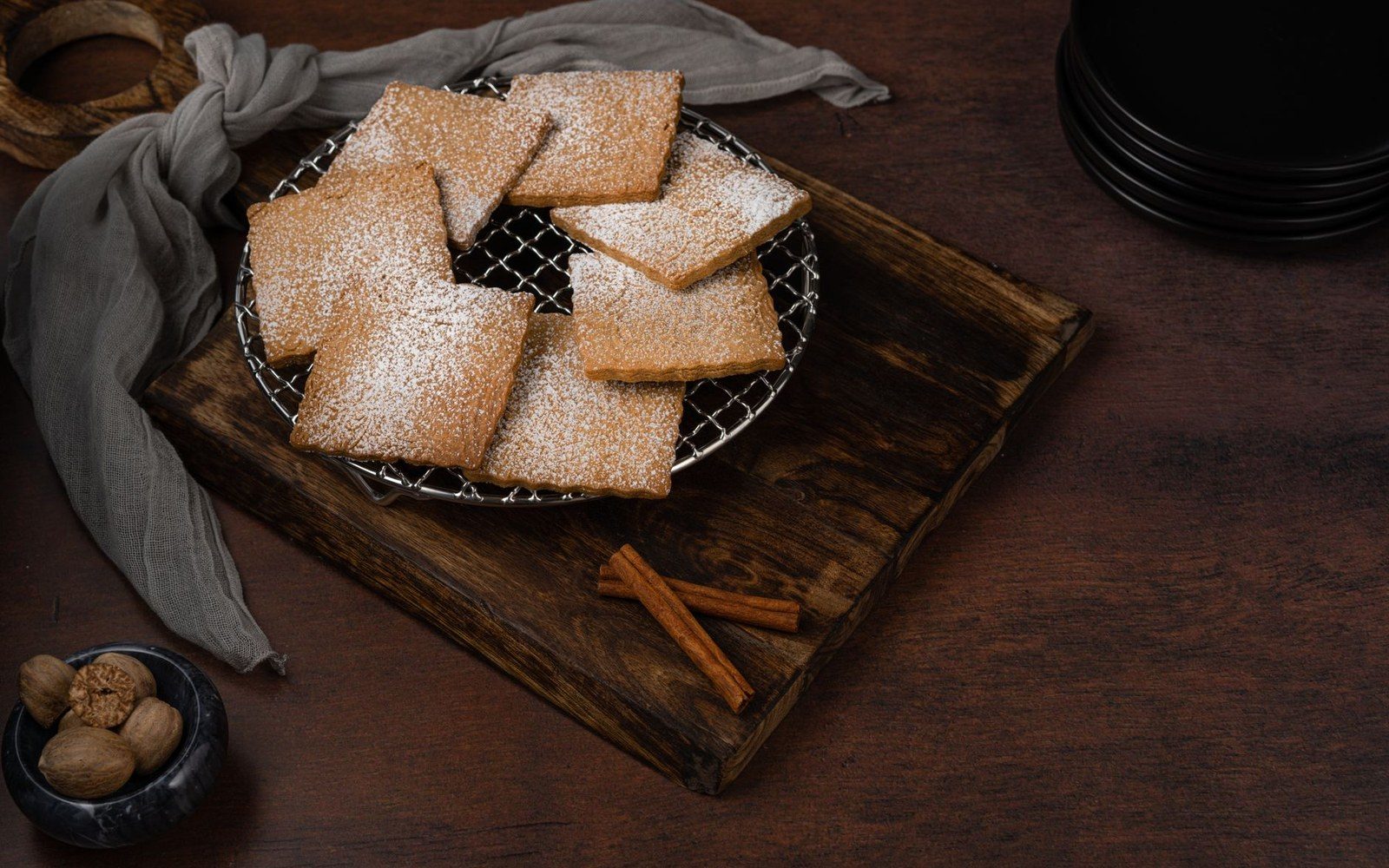
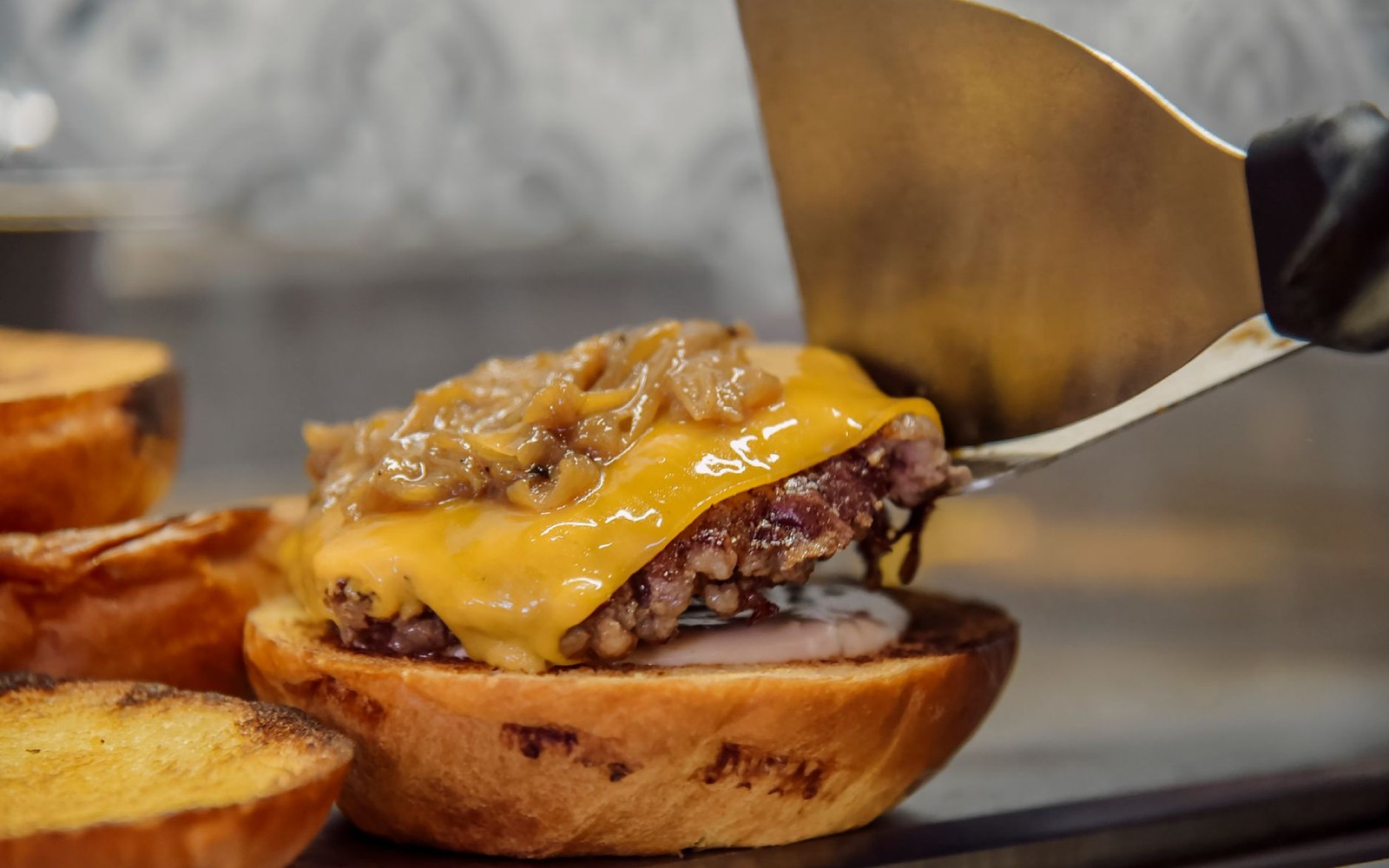
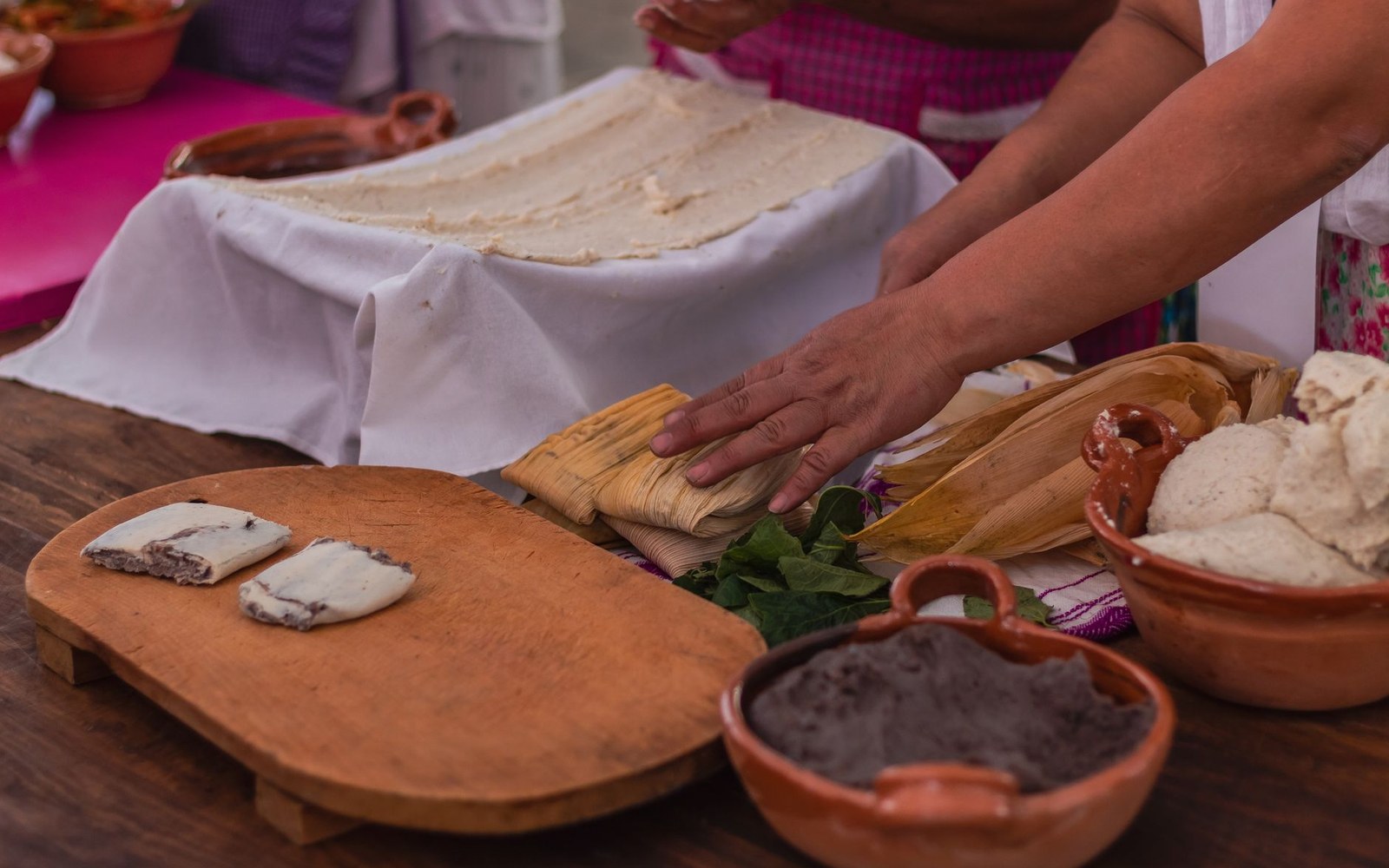
One run, left to right. Scroll it.
Growers
Two men at a land-grant college decided what a pod looks like

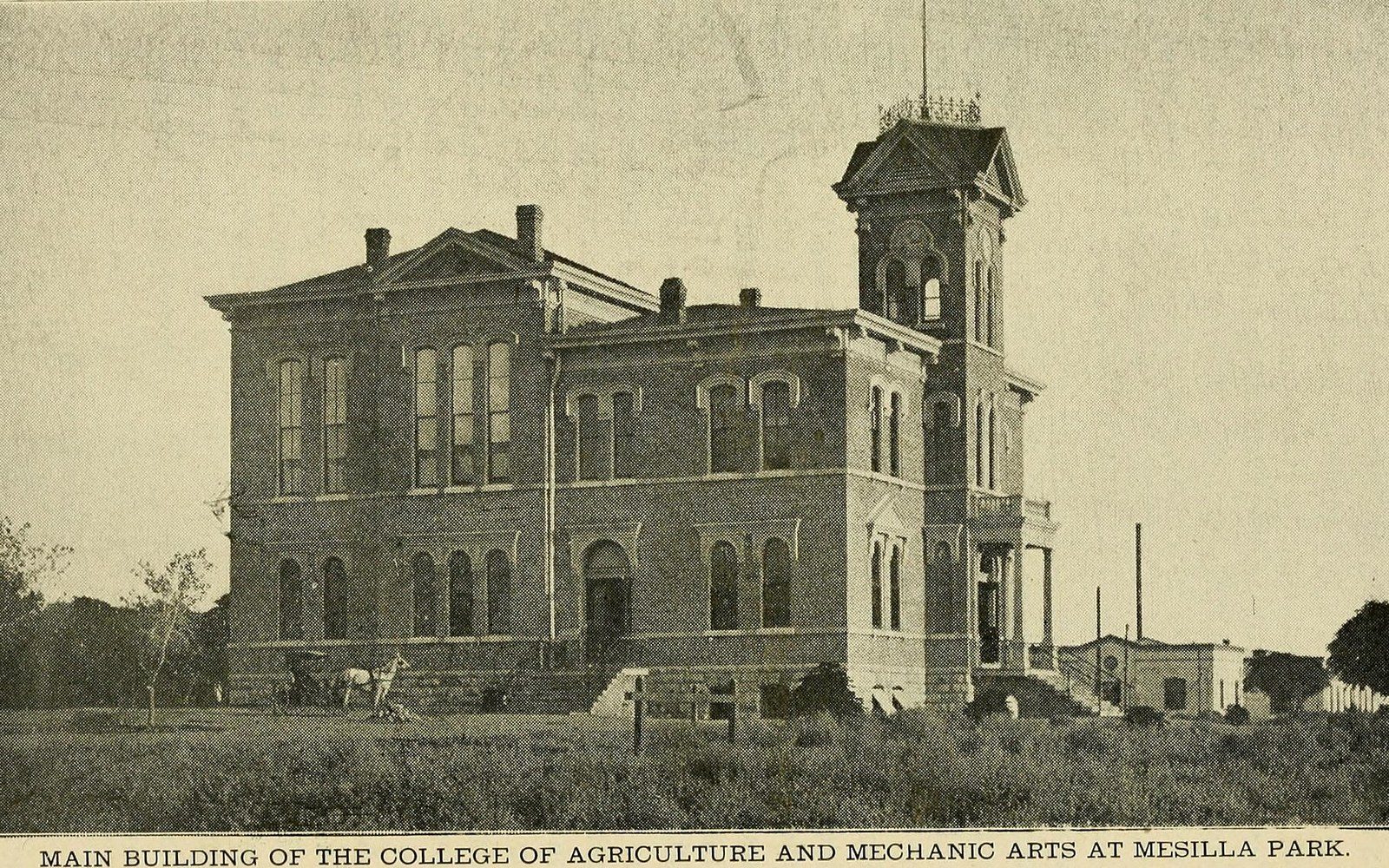
The college at Mesilla Park, where the crossing work was done.
Photo: Wikimedia Commons
Fabián García spent two decades selecting for even pods and predictable heat before releasing New Mexico No. 9. His name should be better known.

The same institution, a century into the same problem.
Photo: Wikimedia Commons
Roy Nakayama released NuMex Big Jim in 1974. It is the reason a chile relleno here is the size it is. What the length cost in heat.
Chimayó had no breeder. Its seed was kept by the families who grew it, which is why it has no release year and no catalogue number — and why a bad summer there is felt at every table that buys it.
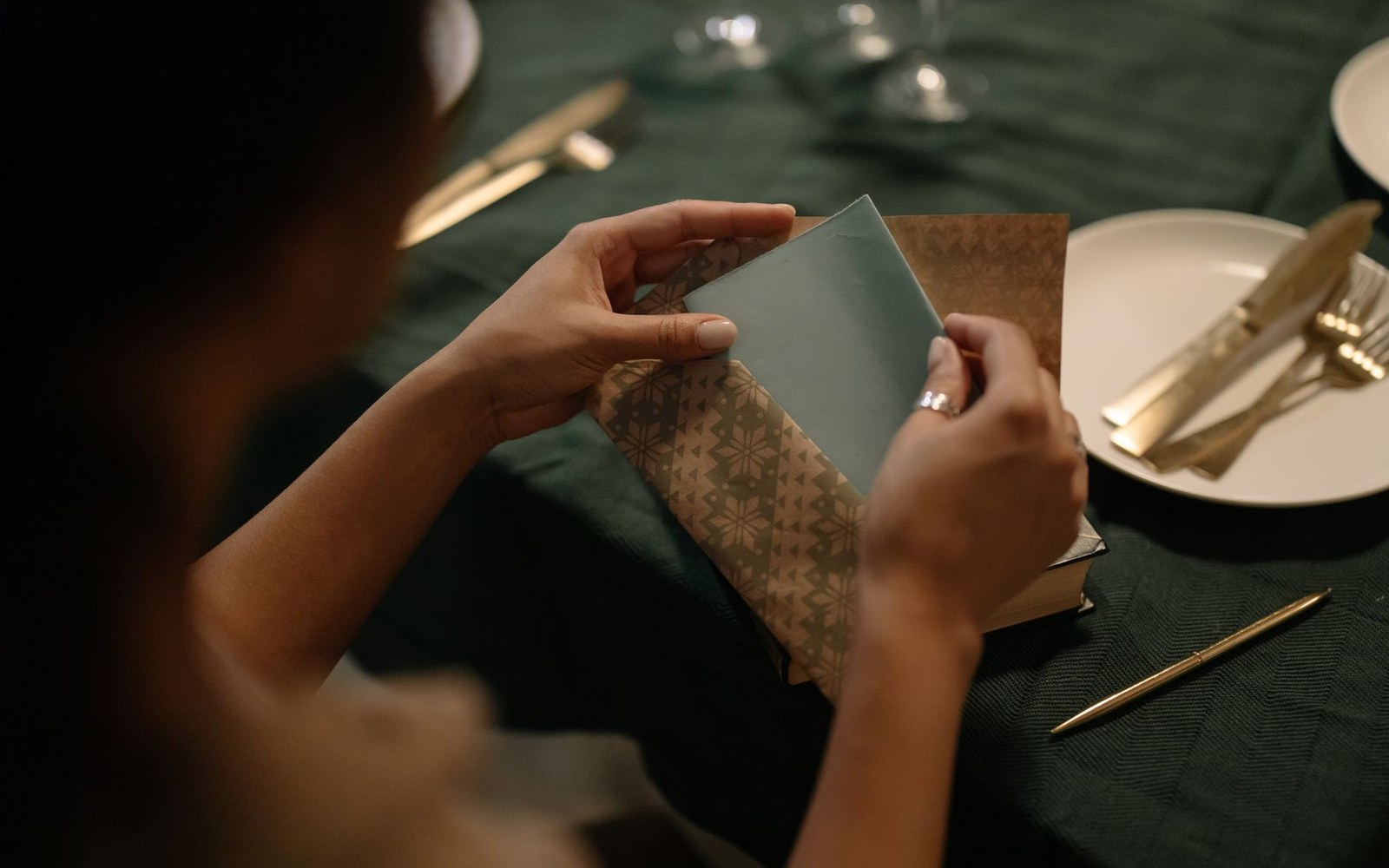
Saved seed, kept dry in paper. The whole programme, before there were programmes.
Photo: cottonbro studio / Pexels
Trails
Everything on the table arrived by one of two roads
The Camino Real came up from Mexico City with wheat, pork and the Spanish kitchen. The Santa Fe Trail came the other way from Missouri and stopped at the Plaza. The chile ground is between and below them: Chimayó to the north, Hatch far to the south.
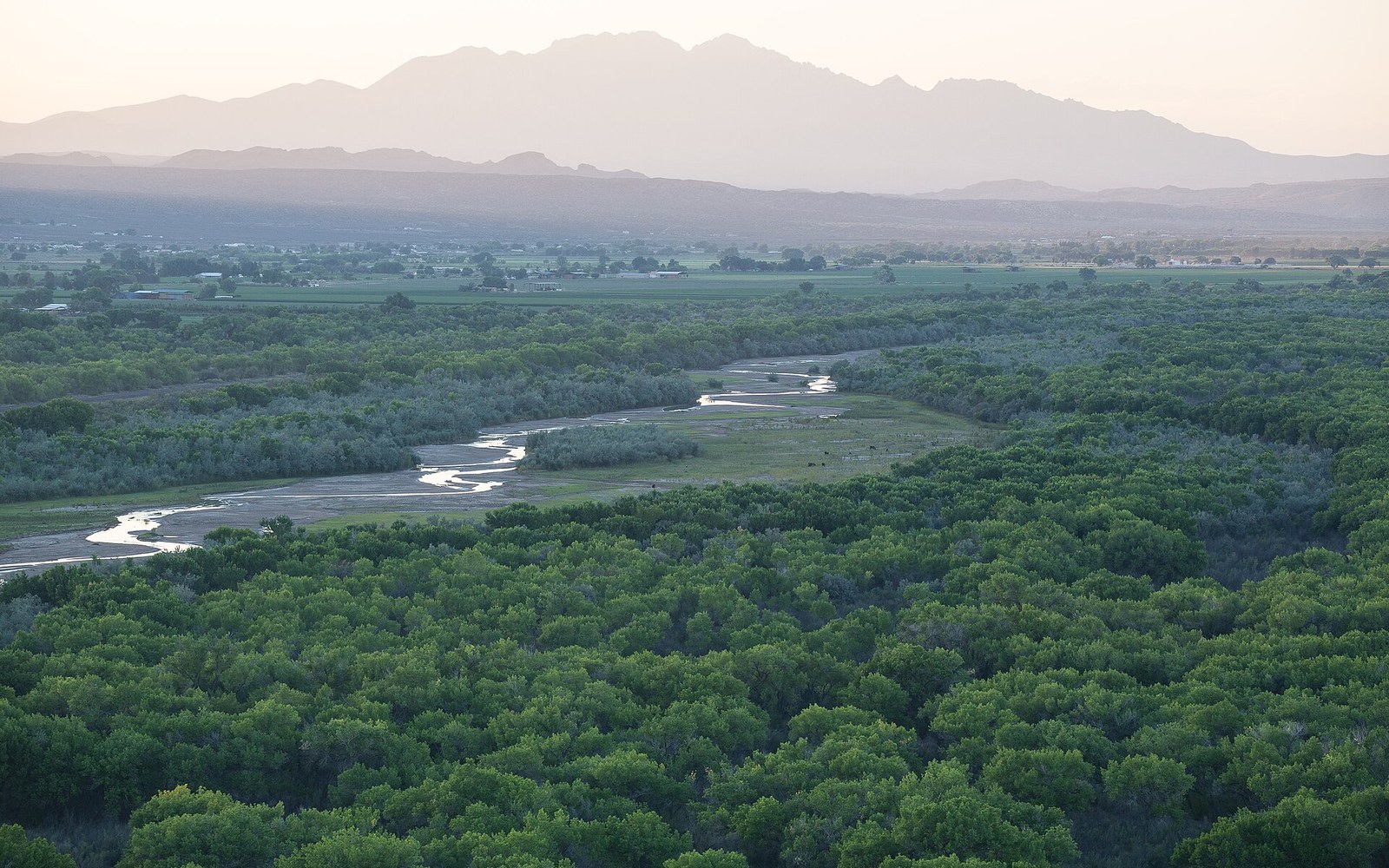
A surviving stretch of the Camino Real’s masonry at the southern end of the run.
Photo: Wikimedia Commons
The trail from Missouri, and the wheat flour that came down it from 1821.
Photo: Santa Fe Trail 2 · Wikimedia Commons
The ground
Seven places, three hundred miles, one crop
Chimayó and Hatch sit at either end of the chile ground. The breeding was done at Las Cruces, in the far south. The city that argues about the result is in the middle.
- Chile ground — Chimayó and Hatch, the two valleys
- Santa Fe — the Plaza, and the table these pages describe
- Las Cruces — NMSU, where the pod was standardised
- On the road — Taos, Abiquiú, Albuquerque
Each pin is a page. Colour says what the place is to this subject rather than how large it is.
Geometry: supplied coordinates, projected
Why the two valleys are not interchangeable
Hatch sits on the Rio Grande flood plain in the far south, farmed at commercial scale on alkaline soil in dry heat. Chimayó is a high northern valley of terraced plots watered by acequia, growing a landrace nobody released and nobody catalogued. The pods do not taste the same and are not sold the same way.
Why Las Cruces is on this map at all
Every commercial New Mexican chile descends from work done at the land-grant college there — Fabián García's New Mexico No. 9 in 1913, Roy Nakayama's NuMex Big Jim in 1974. The pod eaten in Santa Fe was standardised three hundred miles away.
The seven pins
- ChimayóRio Arriba County. A landrace nobody released and nobody catalogued.
- HatchDoña Ana County. The volume name, and the sack in the supermarket.
- Santa FeThe Plaza, a market since 1610, and the table these pages describe.
- Las CrucesNMSU. Where the pod was standardised, twice.
- TaosThe northern end of the road that brought wheat and pork.
- AbiquiúPueblo farming, the three sisters and the acequia system.
- AlbuquerqueOn the route the American flour took after 1821.
The two roads that fed the table run off this frame at both ends: the Camino Real south to Mexico City, the Santa Fe Trail east to Missouri.
Who keeps this going
Kitchens, farms and table-setters we share this territory with.